
High cell viability retention
Targeted tissue adaptability
Standard Operations
Easy removal of impurities
Aseptic safety assurance
Details
The tissue digestive enzyme kit is a core tool for primary cell isolation, containing a mixture of enzymes such as collagenase and trypsin, which can efficiently dissociate tissue blocks (such as liver and tumor) into single-cell suspensions. Its advantage lies in gentle digestion, reducing cell damage, and increasing cell viability (usually>85%). Suitable for various tissue types, such as pancreas, heart, brain tissue, etc., and compatible with downstream single-cell sequencing, flow cytometry analysis and other experiments. Some products use animal free ingredients to ensure experimental stability and reproducibility.
Magnetic bead sorting technology (such as MACS) ®) By labeling target cells (such as CD34+stem cells) with antibodies and separating specific cell populations with a magnetic field. This method is easy to operate, with high sorting purity (>90%), and is suitable for the enrichment of rare cells (such as circulating tumor cells). Magnetic bead sorting does not rely on flow cytometry, is suitable for ordinary laboratories, and has little impact on cell activity. It is widely used in immunology and oncology research.
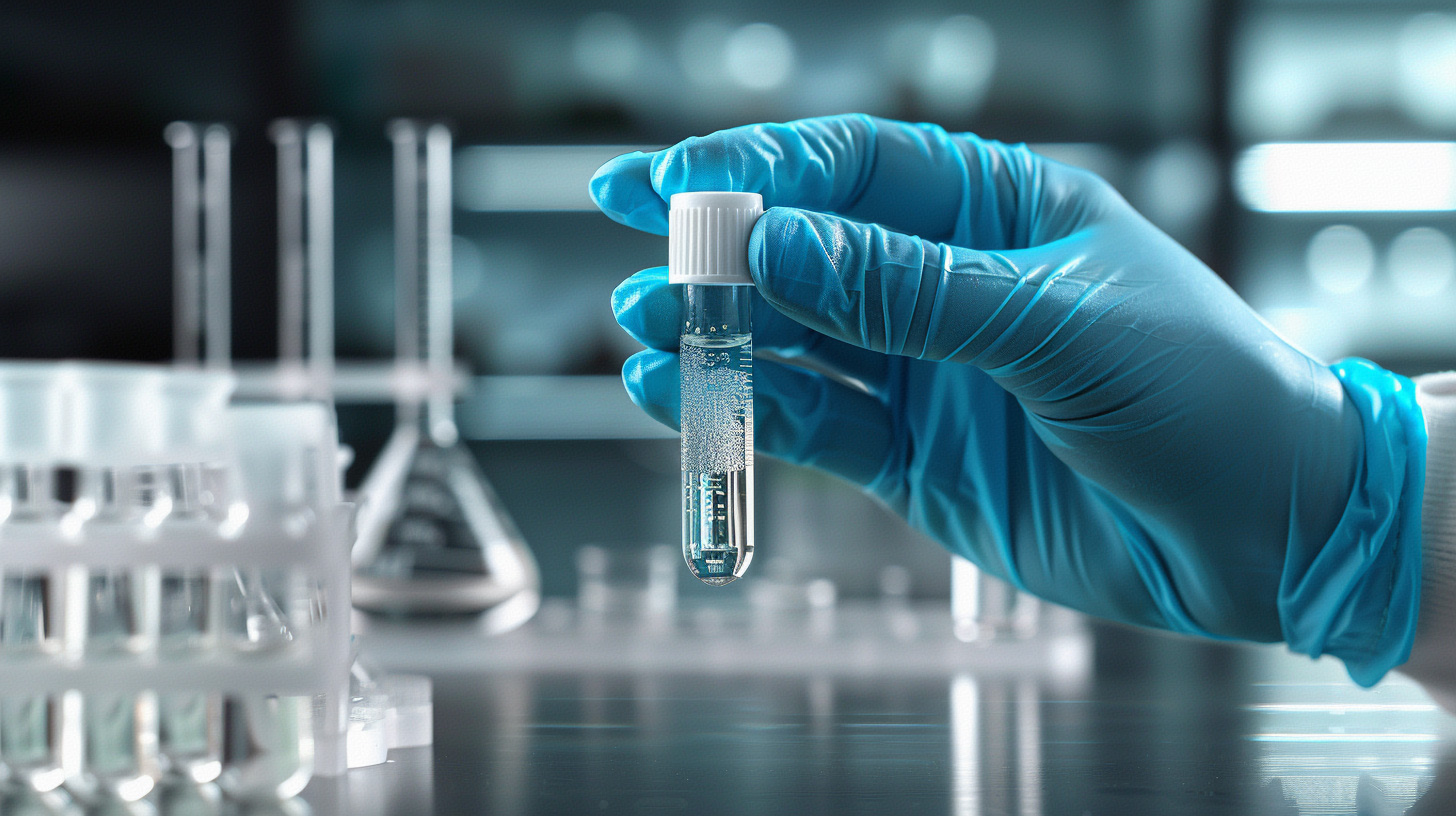
Percoll, Ficoll and other density gradient centrifuges are used to separate cells of different densities through centrifugation, such as extracting PBMCs (peripheral blood mononuclear cells) from blood. This method does not require antibody labeling and is suitable for large-scale sample processing with low cost. The optimized gradient solution can improve cell recovery rate, reduce red blood cell and platelet contamination, and is a classic solution for immune cell isolation.